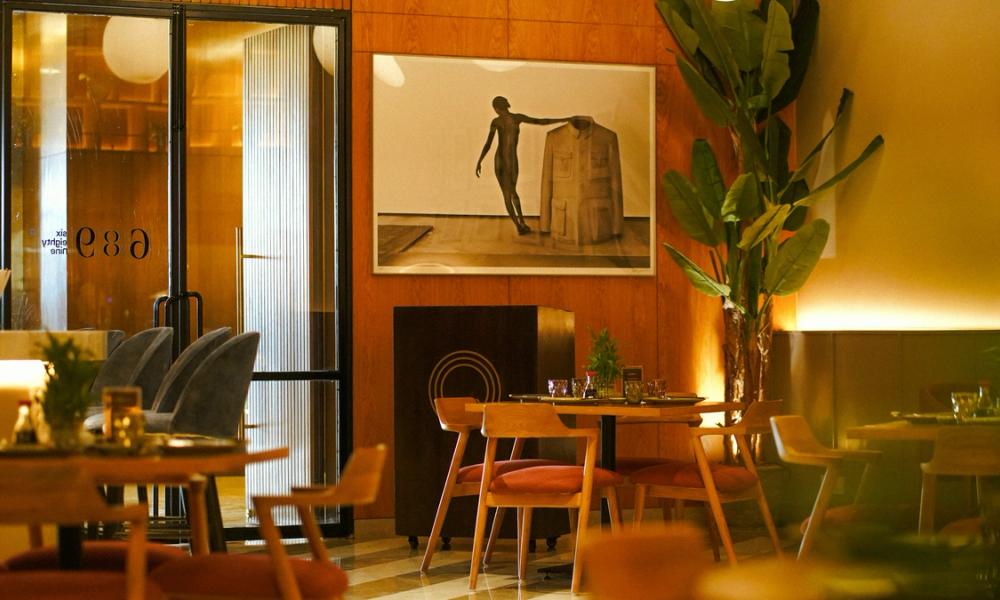
Great restaurants serve great food, but the most successful restaurants also build great brands
We all love exceptional food. For some, there’s nothing better than tucking into a mouthwatering, tender, succulent steak. For others, an array of finely crafted sushi is their idea of heaven. If you pair this with attentive service, you usually have a decent recipe for success, however, it is not always guaranteed.
With so many options to choose from, diners have more choice than ever before, and with social media influencing where people eat as much as traditional reviews, a restaurant’s brand has become one of its most valuable assets. From the moment a customer sees your logo online to the second they walk through your doors, every interaction shapes how they perceive your business.
Effective branding is essential for every size restaurant, helping you stand out, attract the right audience, and build lasting loyalty in this saturated market. A memorable brand creates an emotional connection that keeps guests coming back long after they’ve finished their meal.
What Is Restaurant Branding?
Restaurant branding is the complete identity of your business and the story you tell through every touchpoint. Your branding encompasses your visual identity, your tone of voice, your menu design, your interior, your social media presence, your website, your photography, your packaging, and even the way your staff interact with guests.
The strongest restaurant brands have consistency at their core. Every element works together to create a recognisable experience that customers immediately associate with the restaurant. When branding is done well, guests know exactly what to expect just from a glimpse at your logo.
Start With Your Story
Before designing a logo or choosing a colour scheme, every restaurant should ask themselves, why does this brand exist?
The most memorable restaurants have a story. A really solid hook that draws people in. It could be inspired by family heritage, a passion for regional cuisine, sustainability, or the desire to create a particular atmosphere. Whatever the story, it should influence every branding decision that follows.
Customers increasingly want to support brands with personality and purpose. A compelling narrative gives people something to connect with, making your restaurant truly memorable.

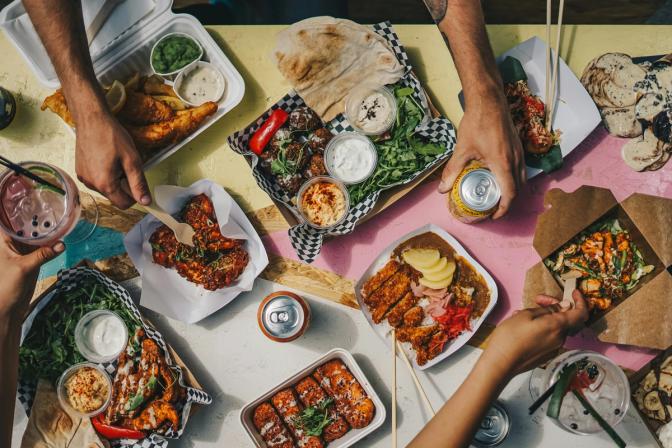
Know Exactly Who You’re Trying to Reach
One of the biggest branding mistakes restaurants make is trying to appeal to everyone. In reality, the strongest brands are those with a clear understanding of their audience.
A luxury fine dining restaurant will communicate very differently to a family-friendly neighbourhood café, while a trendy burger concept targeting Gen Z customers requires a completely different visual identity to a sophisticated Japanese omakase experience. Understanding who your guests are allows you to develop branding that resonates with the people most likely to become loyal customers.
Everything from your logo and typography to your menu language and photography should reflect the audience you want to attract.
The Meal is Just Part of the Experience
The most successful restaurants understand that people remember experiences more than they remember dishes.
Branding should influence every stage of the customer journey. The first impression might come from an Instagram Reel or a Google search. It continues through the reservation process, the welcome guests receive on arrival, the design of the interiors, the presentation of the menu, the music, the plating of each dish, and even the way the bill is presented.
When every touchpoint feels intentional and consistent, customers leave with a stronger emotional connection to the brand. Those experiences are what encourage repeat visits, recommendations, and social media sharing.
Don’t Underestimate the Power of Visual Identity
Visual branding is often what captures attention first. A distinctive logo, carefully chosen typography, recognisable colour palette, and consistent photography style all contribute to how people remember your restaurant.
The best visual identities are simple, flexible, and instantly recognisable. They work just as effectively on social media as they do on signage, takeaway packaging, menus, uniforms, and advertising.
Good branding should never chase trends. While design styles evolve, the strongest restaurant brands build identities that remain relevant for years rather than months.

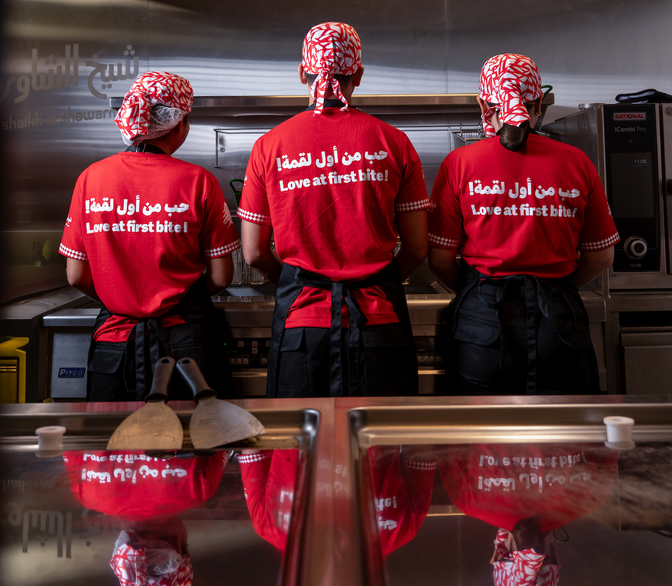
What the World's Biggest Restaurant Brands Can Teach Us
Some of the world's most recognisable restaurant brands demonstrate just how powerful consistent branding can be. Everyone knows McDonald’s, and with very good reason. This iconic brand has built an identity that is instantly recognisable almost anywhere in the world. The second you spot the Golden Arches and its signature red and yellow colour palette, it envokes a feeling, and you know what to expect.
KFC has achieved something similar by embracing its heritage. Colonel Sanders remains one of the most recognisable brand mascots in the world, while the company’s visual identity has evolved carefully over time without losing the characteristics that made it famous.
Starbucks has taken a different approach, positioning itself as more than simply somewhere to buy coffee. Its branding focuses on creating a welcoming “third place” between home and work, with consistent store design, packaging, seasonal campaigns, and customer experiences helping to reinforce that positioning globally.
While these brands operate on a massive scale, the principles remain the same for independent restaurants. Consistency, authenticity, and a clearly defined identity are what transform restaurants into household names.
What SALT Can Teach Restaurants About Modern Branding
Closer to home, few restaurant brands have captured public attention quite like SALT. What began as a humble food truck has evolved into one of the UAE’s most recognisable homegrown hospitality brands, demonstrating that successful branding is about far more than a great product.
SALT built its identity around simplicity, curiosity, and community. Its clean monochrome aesthetic, minimalist packaging, memorable logo, playful messaging, and carefully curated social media presence created a brand that felt modern, approachable, and instantly recognisable. SALT sold an experience that people wanted to photograph, share, and recommend.
The brand also understood the value of creating anticipation. Limited-time menu items, unique locations, creative collaborations, and carefully considered marketing campaigns kept customers engaged while strengthening the sense that SALT was your run of the mill restaurant. Every interaction reinforced the brand’s personality, helping it grow from a local concept into one of the region’s biggest restaurant success stories.


When Is It Time to Rebrand?
Even successful restaurants occasionally need to evolve. Customer expectations change, markets become more competitive, and businesses naturally grow over time. If your branding no longer reflects who you are or the audience you want to attract, it may be time for a refresh.
A successful rebrand doesn’t necessarily mean starting from scratch. Sometimes subtle changes to your visual identity, messaging, customer experience, or digital presence can make a significant impact while retaining the recognition you’ve already built.
One of the best examples of successful rebranding in recent memory is McDonald’s. While its iconic Golden Arches have remained largely unchanged, the brand has undergone a significant transformation over the past two decades, moving away from the bright, child-focused aesthetic that once defined its restaurants. In its place came sleeker interiors, more contemporary typography, minimalist design, self-service kiosks, premium menu offerings, and marketing that appeals to a much broader demographic.
The evolution reflected changing consumer expectations, with customers increasingly seeking higher-quality dining experiences without sacrificing convenience. McDonald’s demonstrates that even the world’s most recognisable restaurant brands cannot afford to stand still. Successful branding is as much about evolving while retaining the core identity than anything else.
The most effective rebrands are driven by strategy. Every decision should support a clear business objective, like attracting a new audience, repositioning the restaurant, modernising the brand, or supporting expansion into new markets.
How Katch Helps Restaurant Brands Stand Out
At Katch, we understand that branding is about building something that people remember, trust, and choose time and time again.
Our dedicated Dubai based branding team works with restaurants at every stage of their journey, developing entirely new brand identities alongside refreshing established concepts ready for their next chapter. We combine strategic thinking with creative execution to create brands that pinpoints each restaurant’s unique personality while resonating with its target audience.
Working across brand strategy, naming, visual identity, logo development, brand guidelines, menu design, packaging, photography direction, website design, and marketing collateral, every element is developed with consistency and long-term growth in mind. Combined with our expertise in public relations, social media, influencer marketing, events, and digital communications, we help restaurant brands look exceptional and get noticed by the audiences that matter most.
Your Brand Is Your Biggest Competitive Advantage
Great food may attract first-time diners, but great branding is what turns them into loyal advocates.
The restaurants that achieve lasting success are rarely those with the biggest marketing budgets. They are the ones that know exactly who they are, communicate that consistently across every customer touchpoint, and create experiences that people genuinely want to share.
In an industry built on experiences, your brand is often the first one your customers have, and the one they'll remember long after the last plate has been cleared.