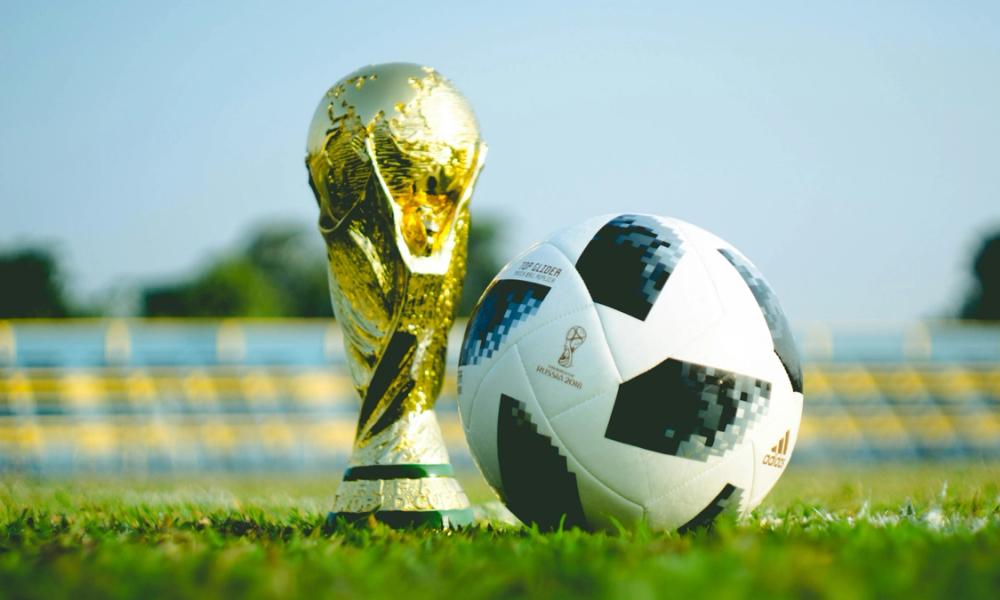
The 2026 FIFA World Cup will be the largest and most commercially powerful tournament in football history, with the USA, Canada, and Mexico hosting a month-long sporting spectacle that will captivate billions across the globe
For the first time ever, the tournament will expand to 48 teams, opening the door for new nations to make history on football’s biggest stage, including debut appearances from Jordan, Curacao, Cape Verde, and Uzbekistan
Since the inaugural tournament in 1930, the FIFA World Cup has always stood as the pinnacle of world football. The competition has produced some of sport’s most iconic moments, unforgettable players, and emotionally charged finals. At the zenith of footballing greatness, nations such as Brazil, Germany, Argentina, Italy, and France have all etched their names into immortality, while legends like Pelé, Diego Maradona, Zinedine Zidane, and Lionel Messi have used the tournament to cement their legacies. Few sporting events command the same level of global attention and emotional turmoil.
The Wonder of the Last Edition
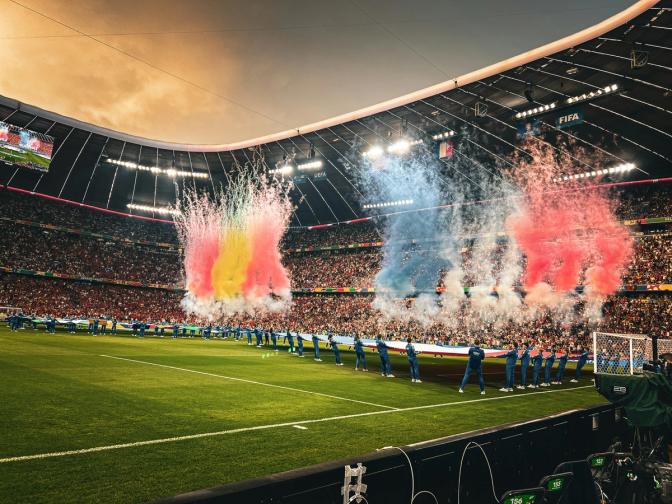
The previous tournament in Qatar was a little bit different from the very beginning. Played during the winter months to avoid the Gulf heat, the 2022 World Cup disrupted the traditional football calendar and was one of the most dramatic tournaments in recent memory. Morocco captured the imagination of the world by becoming the first African nation to reach a World Cup semi-final, while the final itself instantly entered football folklore. Argentina’s penalty shootout victory over France, inspired by the brilliance of Lionel Messi and the never-say-die attitude of Kylian Mbappé, one of only two players in history to score a World Cup hat trick, is widely regarded as one of the greatest finals the sport has ever witnessed.

This Year’s Unmissable Showpiece
The 2026 edition, running from June 11th to July 19th, will have a completely new format, expanding the tournament from 32 teams to 48 and increasing the total number of matches from 64 to 104. Twelve groups of four teams will compete in the opening stage, with the top two nations alongside the eight best third-placed teams progressing into a newly introduced Round of 32.
For many nations, this expansion represented a once-in-a-generation opportunity to qualify for football’s grandest stage. Countries like Jordan, Curacao, Cape Verde, and Uzbekistan will experience their first ever World Cup appearances, while nations such as Scotland return after years in exile. Unfortunately, despite the heroics of Troy Parrott in Hungary last November, Ireland won’t be at this year’s tournament. The expansion may divide opinion among traditionalists, but it undeniably opens the game to new audiences, emerging footballing nations, and fresh commercial markets.
Bidding Adieu on a High Note
For several iconic players, this tournament could also represent a final farewell on the sport’s biggest stage. Cristiano Ronaldo is set to make history by appearing in a record sixth World Cup after being named in Portugal’s provisional squad, adding another chapter to a career already filled with unprecedented records. Long-time rival Lionel Messi is also expected to feature in his sixth tournament following Argentina’s triumph in Qatar.
Meanwhile, stars such as Neymar, who was recently named in Carlo Ancelotti’s Brazil squad, Luka Modrić, a former Ballon D’or winner, Guillermo Ochoa, who is somewhat of a cult hero, and Edin Džeko, Bosnia and Herzegovina’s record appearance maker and goal scorer, may be preparing for their final appearances at a World Cup. Ochoa, in particular, has become something of a footballing time capsule, seemingly only emerging for the World Cup to produce another series of unforgettable performances on the international stage.

Making Marketing Millions
Beyond the football itself, the World Cup has become one of the most valuable marketing platforms on earth. Brands, including the likes of Adidas, Coca-Cola, Visa, McDonald’s, Diageo, and much more, are desperate to be associated with the tournament because it offers something few other events can provide in the form of truly global attention. Sponsorship campaigns linked to the World Cup reach audiences spanning every continent, every demographic, and every major market.
Through shirt sponsorships, stadium branding, digital campaigns, influencer collaborations, and limited-edition product launches, the tournament presents a unique opportunity for companies to place themselves directly at the centre of worldwide conversation.
For marketers, visibility during the World Cup is as much down to emotional association as simple advertising. The brands that become attached to unforgettable goals, dramatic moments, or iconic celebrations often remain embedded in public memory for years afterwards. Just think of the Adidas Jabulani football during the 2010 World Cup in South Africa, Portugal’s iconic Nike kit when Ronaldo winked after Wayne Rooney was sent off, or McDonald’s and Coca-Cola’s plethora of activations for each tournament.
Football supporters often form emotional connections during major tournaments, and brands understand the enormous value of positioning themselves alongside those moments. The World Cup also creates opportunities for airlines, hospitality groups, streaming platforms, sportswear giants, beverage companies, and technology brands to activate campaigns on a truly international scale unlike anything else in modern sport.


United Through Sport
As for the football itself, several nations are already emerging as favourites heading into the tournament. Defending champions Argentina, led by the mercurial Messi, are expected to challenge once again, while France continue to possess one of the strongest squads in world football. England, Brazil, Spain, and Portugal are also widely tipped to make deep runs into the knockout stages. With the expanded format, however, there is greater potential than ever for surprise stories, underdog victories, and nations previously overlooked on the world stage to make genuine breakthroughs.
Is There Too Much Money in Football?
At the same time, the growing commercialisation surrounding the World Cup continues to raise concerns among supporters. Ticket prices have soared to extraordinary levels, with some seats for the final reaching astronomical figures far beyond the reach of ordinary fans. Travel costs across North America are also expected to be substantial, particularly given the enormous distances between host cities in the USA, Canada, and Mexico. Visa complexities, accommodation pricing, and transport logistics have become major talking points before a ball has even been kicked. Football’s popularity has never been greater, but many supporters increasingly feel that the modern tournament experience is becoming inaccessible.

A Spectacle Unlike Ever Before
The entertainment side of the tournament has also evolved dramatically. FIFA’s decision to introduce a Super Bowl-style halftime show for the final underlines how football is shifting further towards spectacle-driven entertainment. Musical performances from global artists, celebrity appearances, immersive fan experiences, and massive corporate activations demonstrate how the World Cup has transformed into far more than a football competition.
From a marketing perspective, this evolution makes complete sense. The tournament is now competing for global attention in an entertainment economy dominated by streaming, social media, music, gaming, and live events. Yet for traditional supporters, there remains a concern that football itself risks becoming secondary to the show built around it.
Still, despite the debates, controversies, and enormous commercial machine surrounding the modern game, anticipation for the 2026 World Cup continues to grow. Football has a unique ability to unite people, create unforgettable memories, and stop the world in its tracks for ninety minutes at a time. With new nations entering the tournament, legendary players preparing for potentially their final chapter, and billions set to tune in across the globe, the stage is perfectly set for another unforgettable summer of football.