With a keen emphasis on community-led growth, trusted partnerships, homegrown concepts, and experience-driven dining, GRIF 2026 revealed what it takes for hospitality brands to thrive in a changing market
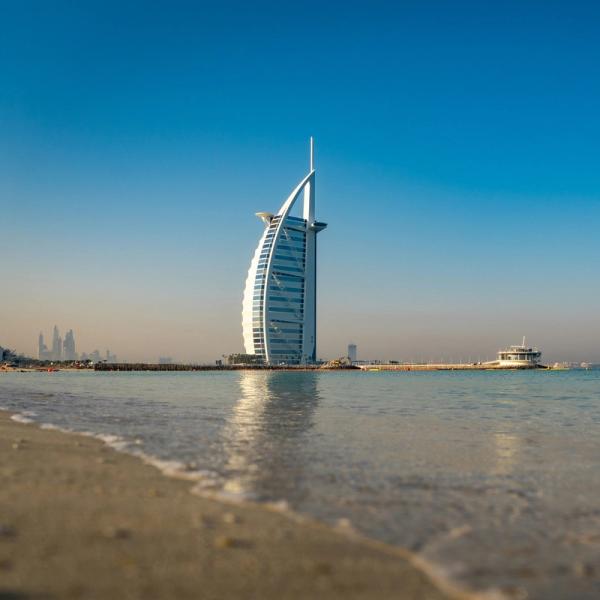
When people think of Dubai, they might think of beach clubs, skyscrapers, fancy hotels, luxury restaurants, big, bold statements, or the epitome of glamour. A lot of these thoughts fall into one category: hospitality. The hospitality landscape in Dubai is constantly in a state of flux, always seeking to stay ahead of the curve, keeping the city one of the most talked about in the world.
On an almost daily basis, new concepts enter the market, established operators explore new opportunities, and consumer expectations evolve alongside the city itself. The 2026 edition of the Global Restaurant Investment Forum (GRIF) championed all of this, with one message standing out across the conversations: long-term success depends on building businesses that people genuinely connect with.
Held in Dubai from October 19th to 21st under the theme THRIVE, GRIF 2026 welcomed more than 200 senior hospitality leaders, investors, developers, and founders to discuss the opportunities and challenges shaping the industry. With conversations spanning investment, placemaking, leadership, consumer behaviour, and the growth of homegrown concepts, the forum had a timely look at what it takes to build resilient hospitality businesses.
For brands operating in the UAE, familiar names, impressive interiors, and ambitious expansion plans definitely still have a role to play, but lasting success increasingly depends on community, trust, relevance, and a strong sense of place.
Here are six key takeaways from GRIF 2026 that hospitality brands should keep in mind.
Local Communities Are the Foundation of Sustainable Growth
One of the strongest themes at GRIF 2026 was the importance of the resident customer. There is no doubt that Dubai’s international appeal continues to attract visitors from around the world, however recent market challenges have highlighted the value of the people who live and work in the city year-round.
Omar Saideh, Founder of Orange Holding, discussed how a period of uncertainty reinforced the importance of local demand. For his business, this meant prioritising the team, maintaining its workforce, and finding creative ways to keep customers engaged.
One example was the Chocolate Rendezvous at Josette, an activation that generated more than two million Instagram impressions and helped drive breakfast, lunch, and dinner traffic.
The wider lesson is that successful hospitality brands need to give their local audiences compelling reasons to return. A one-off visit might generate revenue, but a loyal customer base provides a stronger foundation for long-term growth.
For restaurant operators, this means understanding neighbourhood preferences, creating relevant experiences and building relationships that extend beyond individual transactions. It also means recognising that community engagement is not simply a marketing tactic. When it informs business decisions, menu development, and the guest experience, it can become a genuine competitive advantage.

Placemaking Is Changing the Way Hospitality Destinations Are Developed
Hospitality is playing an increasingly important role in how destinations are designed, developed, and experienced. Restaurants and leisure venues are acting less as standalone offerings, with developers looking increasingly at how they can contribute to a wider lifestyle proposition.
During GRIF 2026, Ben Baseley Walker discussed the growing importance of placemaking, including at developments such as The Link. The focus is on creating environments where food and beverage, wellness, art, and culture work together to encourage people to spend time in a destination.
Spencer Ayers echoed this thinking, highlighting the value of neighbourhood-led development and more intimate spaces that respond to their surrounding communities. The objective is to create places that people want to visit repeatedly, supported by high standards and a clear understanding of local demand.
For developers and hospitality operators, this has important implications. A destination’s success cannot be measured by its opening alone. Its ability to attract repeat visitors, establish a distinct identity, and become part of people’s routines is equally significant.
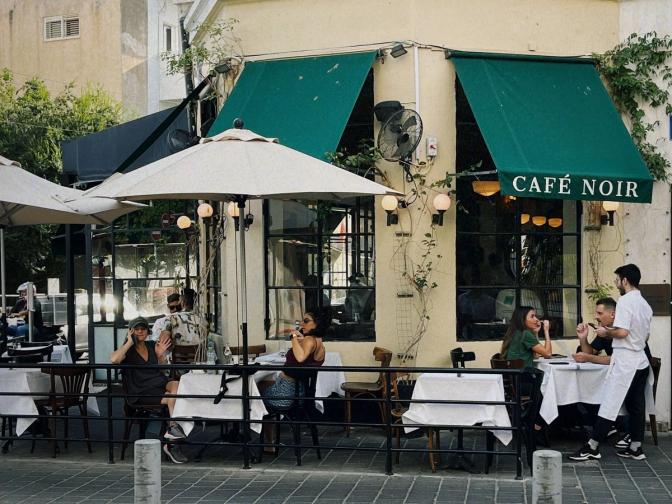
Restaurants, cafés, and leisure concepts can play a central role in this process. When they reflect the character of a neighbourhood and give people reasons to return, they help create destinations with a lasting place in the community.
The Right Partnerships Are Built on Shared Values
Expansion remains an important consideration for hospitality brands, but GRIF 2026 highlighted why choosing the right partner can be just as important as identifying the right market.
Paul Rowland discussed Hedonism Group’s expansion into the UAE with Hide and Hideaway, emphasising the importance of working with partners who understand the original concepts and can maintain the standards that made them successful in London.
Shabnam from FAB Group shared a similar perspective, pointing to alignment, mutual respect and a long-term outlook as important factors in building successful partnerships.
These conversations reflected a wider shift in how hospitality businesses approach growth. Investment and access to new markets are valuable, but they are only part of the equation. Founders also need confidence that their partners understand the brand’s identity, share its ambitions, and can support its development without compromising what makes it distinctive.
For investors, developers and operators, this means looking beyond the immediate commercial opportunity. Shared values, clear expectations, and a common vision can provide a stronger foundation for sustainable expansion.
In a competitive market such as the UAE, where international groups and emerging homegrown concepts are continually exploring new opportunities, the quality of these relationships can have a lasting impact on a brand's future.
Homegrown Brands Are Finding New Ways to Scale Without Losing Their Identity
The growth of founder-led hospitality businesses was another important thread running through the forum. As homegrown concepts gain confidence and explore opportunities for expansion, founders are increasingly having to balance the qualities that made their businesses successful with the structures needed to support their next stage of growth.
Natasha Sideris, Founder and CEO of Tashas Group, spoke about the thinking behind creating Nala as a distinct brand rather than positioning it as a smaller version of Tashas. The decision reflected the importance of giving each concept a clear identity, with the flexibility to develop and scale without confusing customers.
She also discussed the evolution of leadership within the business, including bringing in a CEO, flattening the organisational structure, and maintaining close oversight of the elements guests experience directly, particularly food, interiors and marketing.
The lesson for growing hospitality businesses is that expansion requires more than replicating an existing format. It calls for a clear brand proposition, the right leadership structure, and a strong understanding of which elements must remain consistent as the business evolves.
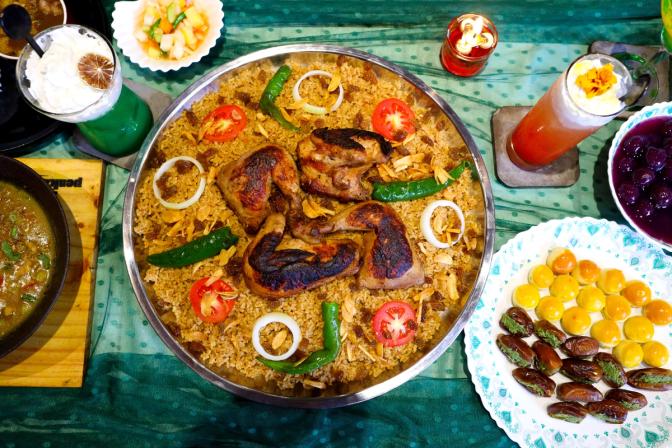
The same confidence in local identity emerged during discussions on Emirati cuisine. Chefs including Solomon, Ali Yazdi, and Zach explored how the country's culinary scene is evolving while retaining its cultural foundations.
Solomon made the point that his cooking should not be described as fusion. Instead, it reflects his upbringing in Dubai, where Emirati, Japanese, French, Syrian, and Indian influences formed part of his everyday environment.
This perspective challenges the idea that a distinctive culinary identity must be tied to a single tradition. For Dubai’s chefs and founders, local authenticity can also come from the experiences, influences, and communities that shape their lives.

As homegrown brands continue to develop, this sense of identity can help them stand out in an increasingly competitive hospitality market.
Experience Matters, but Value and Consistency Keep Guests Coming Back
Few hospitality conversations take place without mentioning the guest experience. At GRIF 2026, however, the discussion went beyond spectacle and visual appeal to examine what makes an experience genuinely worthwhile.
Omar Saideh emphasised the importance of ensuring customers feel they have received good value for their money. Ben Baseley Walker spoke about making each arrival feel personal, while consumer commentator Anna Sebastian highlighted the need for brands to maintain a clear identity instead of trying to appeal to everyone.
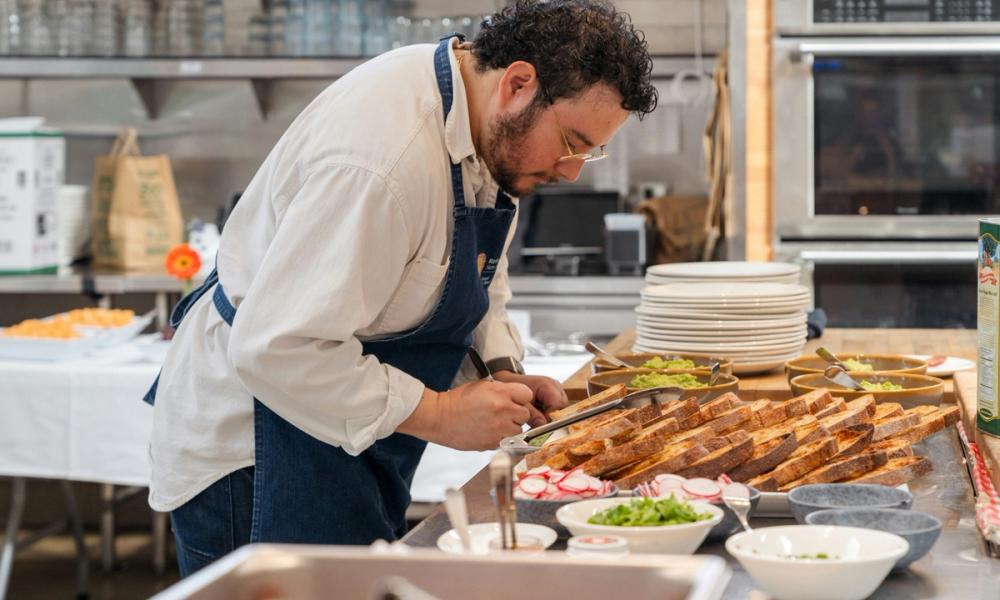
Katch’s own Georgie Woollams reinforced the importance of consistency. While trends can influence consumer interest, brands need a recognisable point of view and the discipline to deliver on it over time.
Together, these perspectives point to a more considered understanding of the guest experience. Impressive interiors, distinctive menus, and creative activations can generate initial interest, but they need to be supported by service, quality, and a clear reason for customers to return.
For hospitality brands, the challenge is to understand which elements genuinely improve the guest experience and which simply add cost. Value does not necessarily mean being the cheapest option. It means giving customers a compelling reason to choose a venue and confidence that the experience will meet their expectations.
Consistency is equally important. A brand that delivers reliably on its promise is more likely to build trust, encourage repeat visits, and generate positive word of mouth.
Changing Consumer Expectations Demand More Thoughtful Hospitality
The final theme was the need for hospitality businesses to respond to changing lifestyles and increasingly discerning audiences.
Anna Sebastian highlighted the growing interest in low- and no-alcohol options, wellness-led drinks and more considered bar menus. She also pointed to the importance of understanding different customer needs, including those of solo diners and consumers whose preferences are influenced by GLP-1 medications.

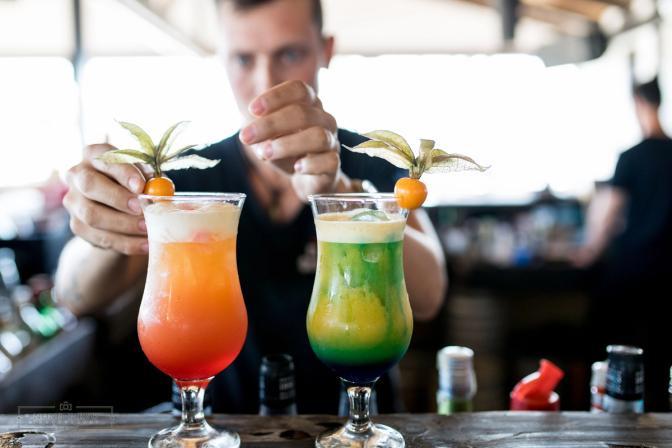
These shifts underline the need for operators to look closely at how people want to eat, drink and socialise, and not rely on established assumptions about their audiences.
Generational expectations are evolving, too. Gen Z and Gen Alpha are increasingly selective and sceptical of overt marketing. Authenticity, entertainment, and experiences that give them a reason to spend more time in a venue are becoming increasingly important considerations.
For hospitality brands, this creates opportunities to think beyond the menu or physical space. Music, lighting, staff interactions, storytelling, and community programming can all contribute to how a venue is perceived and remembered.
However, adding more features does not automatically create a better experience. The most effective approach is to understand what matters to the intended audience and make deliberate choices that support the brand’s identity.
What GRIF 2026 Means for the Future of Dubai’s Hospitality Industry
Across three days of conversations, GRIF 2026 highlighted an industry that is continuing to evolve, with growing attention on the foundations of sustainable growth. The discussions pointed towards a hospitality landscape that places greater value on relevance, relationships, and local identity.
Developments in Ras Al Khaimah, Diafa Investment Holdings’ long-term acquisition strategy, Arada’s community-led approach to placemaking in Sharjah, and the growing profile of homegrown culinary concepts all formed part of this broader picture.
For businesses operating in the UAE, the opportunity lies in understanding how these shifts translate into practical decisions. That means building stronger relationships with local audiences, choosing partners who share the same vision, developing clear brand identities and creating experiences that give people a genuine reason to return.
For communications teams, these changes also reinforce the importance of telling stories that go beyond a new opening or expansion announcement. Hospitality brands need to communicate what makes them relevant, how they contribute to their communities and why their proposition matters to the people they want to reach.
At Katch, we understand that effective hospitality communications start with a clear sense of what makes a brand distinctive. When that identity is supported by consistent messaging, meaningful storytelling and a strong understanding of the audience, communications can help build recognition and strengthen long-term relationships.
Ultimately, the next phase of hospitality growth in the UAE will be shaped by businesses that understand their customers, value their communities, and stay true to what makes them different.
Looking to build a stronger story for your hospitality brand? Katch is a PR and communications agency in Dubai, helping brands develop clear positioning and meaningful communications that connect with their audiences.