The evolution of advertising from billboards and bus shelters to smartphones and social feeds has been stark, and it just shows how advertising has always been evolving
Like everything else, advertising never stands still. New concepts are being created daily, new ideas are flowing through the universe, and the whole field has experienced a remarkable transformation over the centuries. Originally just seen as simple signs, posters, and public announcements, it has now evolved into highly targeted digital campaigns capable of reaching specific audiences within seconds.
Today, brands have access to a vast range of advertising channels, including television, radio, print, Out of Home (OOH) advertising, search engines, influencer partnerships, social media platforms, and everything else in between. While traditional methods continue to play an important role in marketing strategies, social media advertising has emerged over the last few years as one of the most effective tools for businesses seeking measurable results, precise targeting, and global reach.
The Origins of Advertising
Marketing goes back longer than you might think. Way before smartphones, television, and even newspapers, merchants sought ways to attract customers and differentiate themselves from competitors. Historians often point to Ancient Egypt, where papyrus notices were used to advertise goods and services, as one of the earliest examples of advertising. In Ancient Rome and Mesopotamia, merchants stamped products such as bread and fish sauce to signify quality and establish trust with consumers. Even in these early days, the foundations of branding were already taking shape.
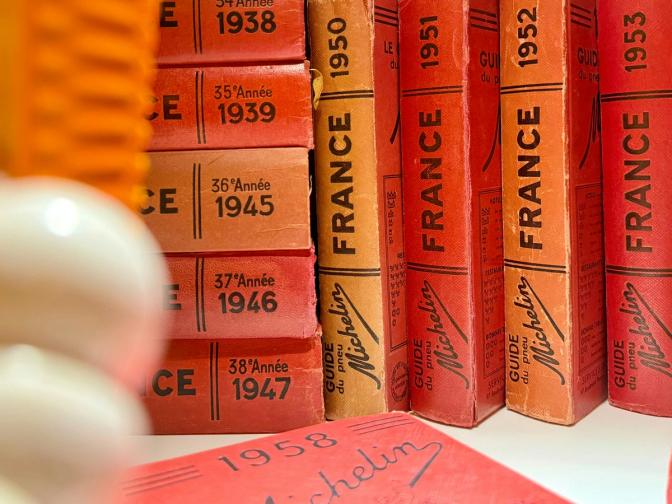
As commerce expanded, advertising evolved alongside it. One of the world's earliest printed advertisements appeared during China’s Song Dynasty in the 11th century, promoting a needle shop using a distinctive rabbit logo. Fast forward to the 20th century, and some of the most influential campaigns in history emerged. The Michelin Guide, launched in 1900, encouraged motorists to travel further and, consequently, buy more tyres. De Beers transformed consumer culture with its famous “A Diamond is Forever” campaign, while Volkswagen's groundbreaking “Think Small” campaign in 1959 challenged conventional advertising norms and reshaped modern branding. These campaigns demonstrated the growing power of advertising to influence behaviour, create demand, and shape public perception.

The Golden Age of Out of Home Advertising
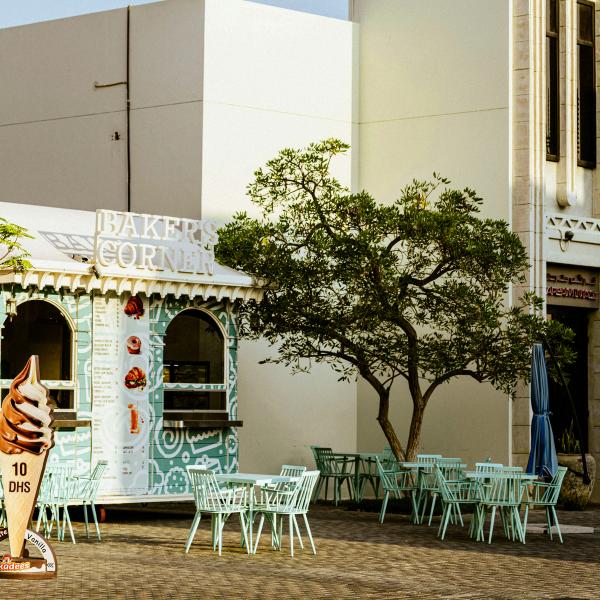
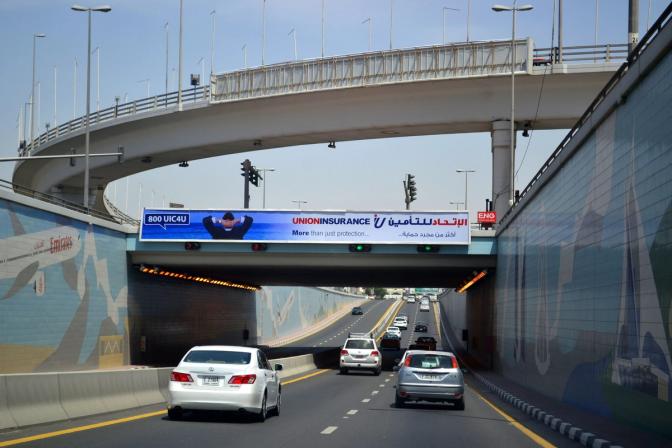
Before the internet transformed communication, OOH advertising was one of the most powerful ways for brands to reach consumers. Billboards, bus shelter posters, transit advertising, shop displays, and large-format signage dominated city skylines and public spaces. Businesses relied on physical visibility to capture attention, often investing heavily in prime locations that guaranteed maximum exposure. For decades, OOH was the cornerstone of brand awareness campaigns, offering unparalleled reach within local markets.
The cultural significance of traditional advertising is perhaps best illustrated by the television series Mad Men, which follows advertising executives during the industry’s creative boom of the 1960s. The show highlights an era when bold ideas, memorable slogans, and eye-catching outdoor placements could shape consumer behaviour on a massive scale. Although technology has advanced significantly since then, OOH remains an important advertising channel today. Digital billboards, airport displays, shopping centre screens, and transit advertising continue to provide brands with valuable opportunities to reach large audiences in high-traffic environments.

The Limitations of OOH Advertising
Despite its strengths, OOH advertising has several limitations. Once a billboard or poster has been installed, it is relatively difficult and costly to modify. Visibility can also vary significantly depending on factors such as weather conditions, traffic flow, viewing angles, and surrounding visual clutter.
More importantly, OOH offers limited audience targeting. While a billboard may reach thousands of people each day, there is no guarantee that those viewers fall within a brand’s ideal customer profile. Measuring direct return on investment can also be challenging, making it difficult for marketers to understand exactly how many sales or enquiries were generated by a campaign.
The Rise of Social Media
The emergence of social media fundamentally changed how people communicate, consume information, and interact with brands. Today, billions of people use social platforms every day. Facebook has approximately three billion monthly active users, Instagram exceeds two billion users, TikTok has surpassed one billion users, LinkedIn continues to grow among professionals, and YouTube reaches more than two and a half billion users globally. Collectively, social media platforms command an audience far larger than any television network, newspaper, or outdoor advertising network could ever achieve.

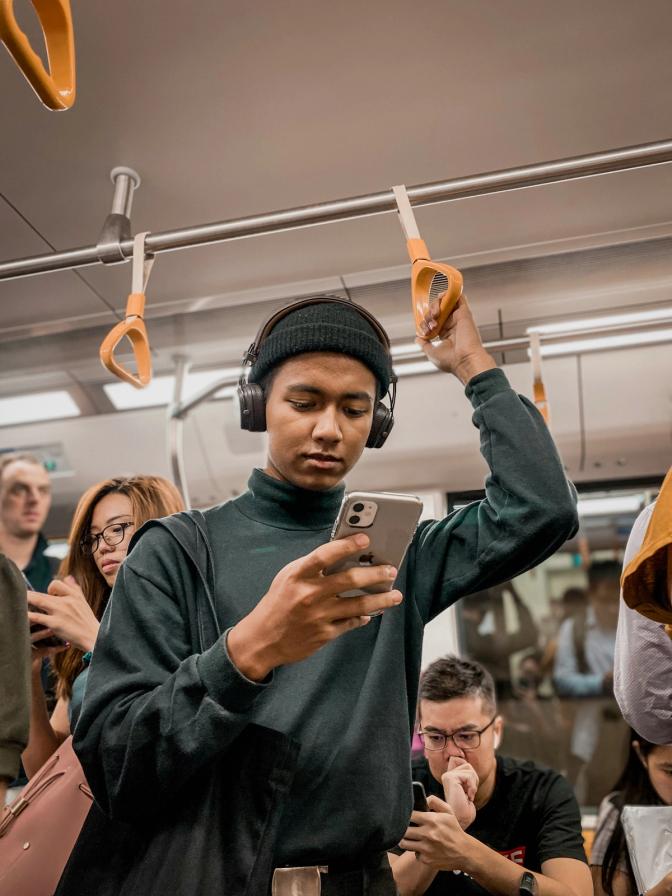
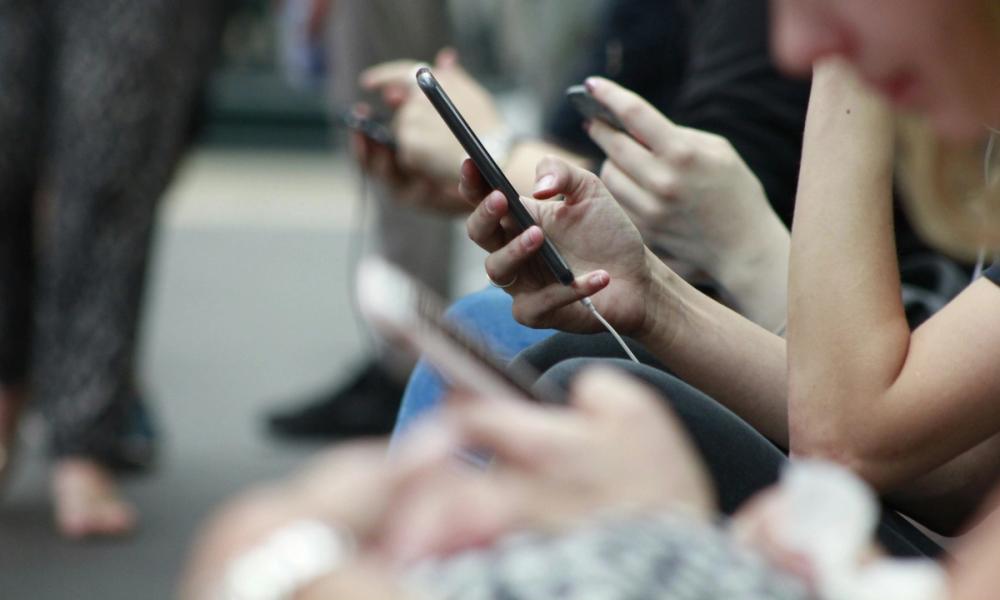
At the same time, smartphone adoption has reached unprecedented levels. Recent estimates suggest that more than 6.8 billion people worldwide own a smartphone, representing over 85% of the global population. In many developed markets, smartphone penetration exceeds 90%. Unlike billboards or posters that rely on consumers passing a specific location, smartphones accompany people throughout the day. This constant connectivity gives advertisers an unprecedented opportunity to engage audiences in real time, regardless of where they are located.
Why Social Media Advertising Delivers Superior Results
The greatest advantage of social media advertising is precision targeting. Unlike OOH campaigns that cast a wide net, social platforms allow advertisers to target users based on age, gender, interests, location, profession, behaviour, purchasing habits, and even previous interactions with a brand. A business can show one message to a 25-year-old hospitality professional in Dubai, and a completely different message to a 55-year-old traveller in London, all within the same campaign. This level of personalisation was unimaginable during the traditional advertising era.
Social media also provides unparalleled flexibility and measurability. Campaigns can be launched, paused, adjusted, or optimised instantly based on performance data. Advertisers can monitor impressions, clicks, engagement rates, conversions, and return on investment in real time.
A specialist social media agency that Dubai businesses trust can continuously refine campaigns to improve performance and maximise budgets. Combined with social media management services in Dubai, content creation expertise in Dubai, videography, photography, and influencer marketing campaigns in UAE, brands can create highly targeted strategies that engage audiences at every stage of the customer journey. This is particularly valuable in sectors such as hospitality marketing, hotel marketing, and restaurant marketing, where reaching the right audience at the right moment can directly influence bookings and revenue.
Social Media vs OOH: Which Is Better?
The reality is that both advertising channels have value. OOH remains highly effective for generating widespread brand awareness, reinforcing key messages, and creating memorable visual impact in public spaces. Large-scale campaigns often benefit from the credibility and visibility that outdoor advertising provides. Social media, however, offers greater precision, flexibility, scalability, and measurement. It allows brands to communicate directly with highly specific audiences and track the effectiveness of every pound, euro, dirham, or dollar spent.


Advertising has evolved dramatically since the days of printed posters and roadside billboards. While OOH continues to play an important role in modern marketing, social media has transformed the way brands connect with consumers. The ability to target specific audiences, measure performance in real time, adapt campaigns instantly, and communicate with people across the globe makes social media one of the most powerful advertising tools available today.
For businesses seeking growth in an increasingly digital world, investing in strategic social media management, compelling content creation UAE services, high-quality videography and photography, and data-driven advertising campaigns is becoming more and more essential.